
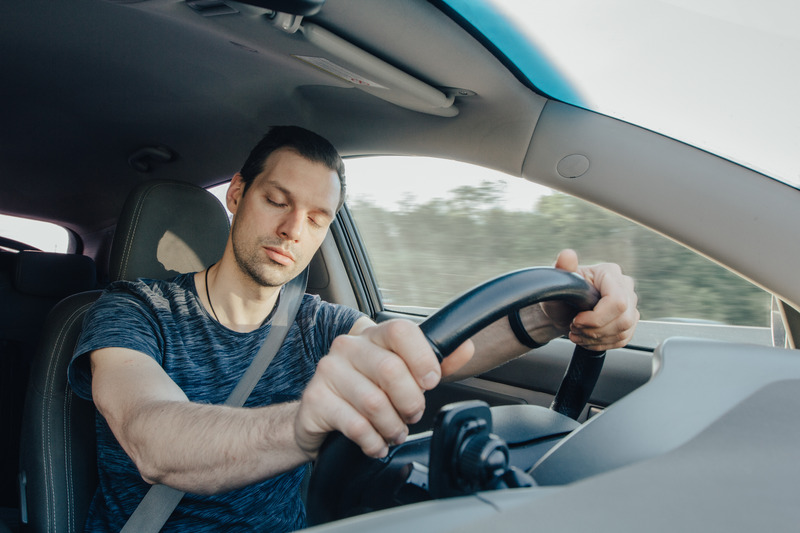
Most people know the dangers of drinking and driving—after all, there are ad campaigns and slogans everywhere. But far fewer recognize the risks of driving while tired. Drowsy driving is more common than you might think, and it can be just as dangerous as driving while intoxicated. Continue reading to learn how sleep apnea affects your driving and what you can do to stay safe behind the wheel.
What is Drowsy Driving?
Drowsy driving happens when someone operates a vehicle without enough sleep, but sleep apnea takes this to another level. Even if you spend a full night in bed, sleep apnea can cause dozens or even hundreds of breathing interruptions each hour.
These “micro-awakenings” keep your brain from staying asleep long enough to feel rested. Because of this, many people with sleep apnea wake up exhausted and groggy before their day even starts.
When you get behind the wheel in this state, your risk of an accident rises significantly.
Why Does Sleep Apnea Make Driving Dangerous?
Simply put, sleep apnea affects your energy levels and brain function. In fact, studies show that people with untreated sleep apnea have slower reaction times, poorer concentration, and a higher likelihood of experiencing microsleeps while driving.
This means you’re slower to hit the brakes, less aware of drifting, more likely to miss traffic signs, and more prone to “zoning out.”
According to the National Highway Traffic Safety Administration (NHTSA), many drowsy driving accidents happen between midnight and 6 AM—exactly when sleep apnea symptoms are at their worst.
What Are the Warning Signs of Drowsy Driving?
If you experience any of these symptoms regularly while on the road, it might be time to seriously consider seeing a sleep expert:
- Drifting into another lane
- Heavy eyelids
- Not remembering stretches of your drive
- Daytime sleepiness or nodding off
- Difficulty focusing
How to Stay Safe Behind the Wheel
Treating sleep apnea is one of the most effective ways to prevent drowsy driving. If you’ve been diagnosed—or suspect you may have it—here are steps you can take to make daily tasks like driving safer:
- Pull over and rest if you feel tired while driving instead of “toughing it out.”
- Avoid alcohol before bed since it worsens apnea episodes.
- Maintain a healthy weight to reduce airway obstruction.
- Get at least 7 to 8 hours of sleep each night.
- Speak to a sleep specialist.
With proper diagnosis and treatment, you can protect your health, stay safe on the road, and wake up feeling fresh every day. If sleep apnea may be affecting your safety, don’t wait—talk to a sleep specialist and get the treatment you need.
About the Practice
At Star Sleep & Wellness in McKinney, we help patients discover and treat sleep disorders that cause fatigue, poor focus, and other symptoms that make life difficult. Our goal is to restore healthy sleep so you can stay alert, focused, and safe whether you’re at home or behind the wheel. Call (469) 914-4427 to schedule a sleep consultation with our expert team, or visit our website to explore our services.